
Commercial Systems Architecture for Pharma & Life Sciences.
Pharma’s New Consumer-Grade Imperative:
Leader Immersion Program.
A catalytic program for intact leadership teams rethinking how their commercial system creates, protects, and realizes customer value. It builds the shared context, language, and urgency to move from recognition to activation.
Author-led | EXECUTIVE BRIEF → BOOTCAMP → MASTERCLASS
Where the Shift Begins
The Leader Immersion Program for
Pharma's Consumer-Grade Era.
Most leadership teams operate under constant delivery pressure, leaving little time to step back, reflect on the changing customer and competitive context, and align on what must truly change. Customer centricity remains an aspiration rather than a governing principle of how the business actually operates.
The Leader Immersion Program is purpose-built to create that space.
Schedule a Diagnostic Conversation →
The Opportunity
Closing the Consumer-Grade Leadership Gap.
Pharma's New Consumer-Grade Imperative is not theoretical. It is revealing a leadership blind spot across pharma and life sciences, where customer-centricity and customer experience now represent both an ungoverned risk and an underleveraged source of differentiation, preference, trust, and growth.
Built for Intact Leadership Teams
Designed for intact leadership teams accountable for commercial outcomes and enterprise credibility, including:
- Chief Commercial Officers
- Chief Marketing Officers
- Heads of Brand, Franchise, and Portfolio Strategy
- Senior Field and Sales Leaders
- Commercial Transformation, CX and Strategy Teams
What Leaders Gain
Participants leave with:
- A shared framework for aligning brand, product, and experience as one value proposition
- Clear visibility into where value is being created or leaked across journeys
- A leadership-level understanding of experience delivery as a commercial discipline
- A sharper case for why operating model change, not messaging refinement, is required
Format and Fit
Program is designed to support alignment, shared conviction, and readiness for Customer Excellence Activation.
- Tailored to company context
- Learn, Share, Do design
- Author-led and practitioner proven
⎯
- Ideal for leadership offsites
- In person preferred; remote and hybrid options available
- No heavy pre/post work required
Program Mechanics
Learn. Share. Do. Because Conviction Doesn't Come From Passive Knowledge Consumption.

LEARN.
Frame Context.
Develop a comprehensive understanding of customer context and Customer Excellence as a system to enable a connection between brand promise and delivery in complex organizations.
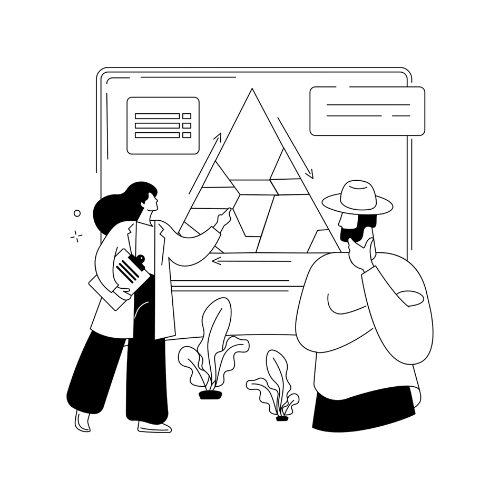
SHARE.
Surface Reality.
Exchange perspectives and real-world experiences with peers, surfacing common challenges, constraints, and practical insights across functions and markets.
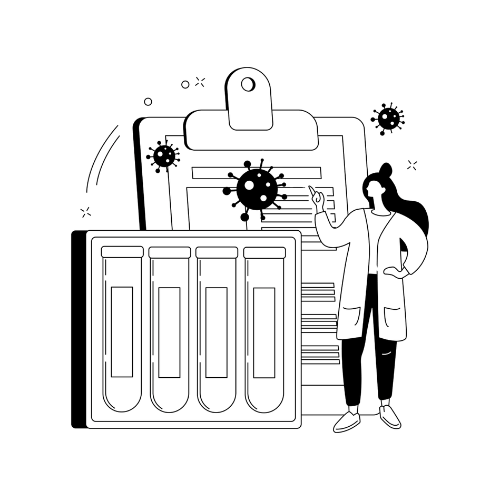
DO.
Create Urgency.
Create a clear case for urgency by applying the learning through scenarios, diagnostics, and action planning that define what must change now.
Program Formats
Three Progressive Immersions That Shift Perspective, Build Conviction, and Prepare Leaders to Act.
EXECUTIVE BRIEFING.
60 to 90 Minutes | The catalytic context and organizing thesis for senior leadership.
A focused, author led strategic briefing designed for board, C-Suite, senior brand, commercial, and customer experience leaders. The session introduces the Consumer-Grade Imperative, reframes customer experience as a governed commercial discipline, and gives leadership the shared language required to see why Customer Excellence Activation is now necessary.
Participants Leave With: A sharper understanding of the gap, the commercial consequences of inaction, and the leadership case for moving forward.
BOOTCAMP.
One Day or Two Day | An applied deep dive for intact leadership teams.
The Bootcamp moves beyond awareness into structured exploration. Participants examine how customer expectations, legacy assumptions, journey friction, and value leakage are shaping patient impact and commercial performance, creating the shared conviction that connects experience breakdowns to measurable clinical and business consequences.
Participants Leave With: A shared diagnosis, clearer operating logic, prioritized areas of concern, and the foundation for a defensible case for change.
MASTERCLASS.
Two Day or Three Day | The full immersion for leaders preparing to authorize Customer Excellence Activation.
The Masterclass is the most comprehensive format. It builds the full knowledge base, leadership alignment, diagnostic understanding, and activation logic required to move from recognition to mandate. Participants work through the Consumer-Grade Imperative, Customer Excellence as the fourth pillar, journey based value creation, value leakage, intervention strategy, and the pathway into MOBILIZE.
Participants Leave With: A documented Case for Change Gameboard, a defined Value Capture agenda, and the leadership readiness required to authorize Customer Excellence Activation.
The Immersion Journey
Leaders Will See, Believe, and Do Differently.
The Leader Immersion Program builds the individual and collective leadership capability required to reposition customer experience as a governed commercial driver, not a measurement exercise, service initiative, or adjacent program. Participants leave with the clarity, language, and operating logic needed to embed Customer Excellence into how the enterprise competes, grows, earns trust, and converts customer intent into realized patient and commercial impact in a consumer grade world.
See Differently.
Topic 1: Elevate Customer Consciousness.
Leaders see customers as whole humans navigating cumulative burden, not as segments, targets, or channels.
Reframing Who the Customer Has Become:
- How have the day-to-day realities, pressures, and decision environments of healthcare professionals changed over the past decade?Why legacy engagement models no longer earn relevance or trust
- What “consumer-grade” truly means in a regulated, omnichannel environment.
- Where are we still designing engagement based on how we think HCPs work rather than how they actually practice today?
- What signals do HCPs give us, intentionally or unintentionally, about what builds confidence versus what creates friction?
- How have the day-to-day realities, pressures, and decision environments of healthcare professionals changed over the past decade?Why legacy engagement models no longer earn relevance or trust
Topic 2: The Consumer-Grade Imperative.
Leaders will explore what the standard is and where consumer grade expectations collide with pharma’s regulatory, compliance, and legacy operating assumptions. They will assess how HCPs determine whether a company is genuinely helping them solve problems or simply adding more noise, content, and channel activity to an already burdened workday.
Learning Aim
By the end of this topic, leaders should be able to recognize the gap between legacy pharma engagement models and modern HCP expectations, and explain why customer experience must be treated as a commercial system, not a communications activity.
Topic 3: Expose Experience-Driven Value Leakage.
Expose Experience-Driven Value Leakage. Leaders diagnose where friction, effort, and inconsistency are quietly eroding adoption, adherence, and confidence.
Believe Differently.
Topic 4: Decode the Customer's Right to Reverence.
Leaders will adopt the Customer’s Right to Reverence as a governing standard, using dignity, clarity, and respect as non-negotiable design inputs for decisions, policies, and experiences.
Topic 5: Commercialize Customer Experience.
Experience as a Core Driver of Commercial Performance.
Why Pharma CX Programs Stall and What Must Replace Them
Core Question:
Why have CX 1.0 and CX 2.0 approaches plateaued across the industry, and what structural limitations prevent them from reshaping commercial outcomes?
What Participants Gain:
Clarifies why survey-centric and insight-heavy CX models rarely translate into changes in field behavior, access dynamics, or engagement quality.
Helps leaders distinguish between CX as observation and CX as an operating discipline with real leverage.
Introduces CX 3.0 as a structural evolution rather than another layer of tooling or measurement.
Topic 6: Discern Brand as a Delivery System.
Leaders internalize that brand is not what the organization says but what it consistently delivers, with leadership behavior as the primary mechanism.
If the Brand Design System defines who we aspire to be and what we promise, where is the equivalent system that ensures those promises are actually delivered through leadership decisions, incentives, and operating models every day?
As the Brand Pyramid evolves from messaging and positioning toward lived experience, where do breakdowns occur between brand intent and brand reality across sales, medical, access, service, and support functions?
Which parts of the customer experience are currently shaped by habit, legacy structure, or functional convenience rather than by intentional design, and what risks does that create for trust, preference, and long-term brand equity?
Do Differently.
Topic 7: Stand Up The Fourth Pillar.
Leaders explore why Customer Excellence must become a core commercial discipline alongside Launch, Sales, and Marketing Excellence. This topic shows how to position, legitimize, and begin building Customer Excellence as the system that helps turn scientific promise and customer intent into realized patient and commercial impact.
Leaders will focus on answerinng a core Question:
If Sales Excellence, Marketing Excellence, and Launch Excellence are table stakes, what role does Customer Excellence play in earning preference over time?
What Leaders Gain:
Positions Customer Excellence as a peer to existing commercial excellence models, not a supporting function.
Makes explicit how experience influences predisposition, continuity, and long-term value in ways sales activity and campaigns alone cannot.
Provides leaders with a credible frame to integrate experience into how commercial success is defined and governed.
Topic 8: Operate Through Journeys.
Managing Journeys as Systems of Value Creation
Leaders explore how to move beyond optimizing isolated activities, channels, or touchpoints and begin managing customer journeys as connected systems that create, protect, and realize value. This topic helps leaders see journeys as the operating unit of customer excellence, where friction removal, barrier resolution, field intelligence, and outcome enablement become central to commercial performance.
Key Questions Answered:
How do leaders shift from managing activities to managing journeys?
Where does customer value get created, delayed, or lost across the journey?
How can journey friction be identified, prioritized, and removed systematically?
What changes when the enterprise measures progress, not just activity?
How do leaders enable outcomes by aligning field, brand, access, support, and operations around the same journey?
Why are journeys the operating system for turning customer intent into realized patient and commercial impact?
Topic 9: Move Beyond Transformation.
Leaders leave with a blueprint to design and execute their organization's Customer Excellence Rebellion through structural redesign, not initiative theater.
Under the idea of Leading the Rebellion — From Transformation to Enterprise DNA, leaders will be exposed to:
Which deeply embedded assumptions about growth, efficiency, and commercial success must be challenged in order to move from surface-level transformation to true Customer Excellence embedded in how the organization actually operates?
What distinguishes disciplined rebellion, where leaders intentionally redesign structures, incentives, and decision rights, from change theater that modernizes language but leaves underlying behaviors untouched?
Where does leadership conviction about Customer Excellence show up in governed choices, resource allocation, and operating models, and where does it remain an aspiration that is not yet wired into the enterprise?
What Leaders Leave With
Program Participants Leave With Strategic Assets That Catalyze Enterprise Activation.
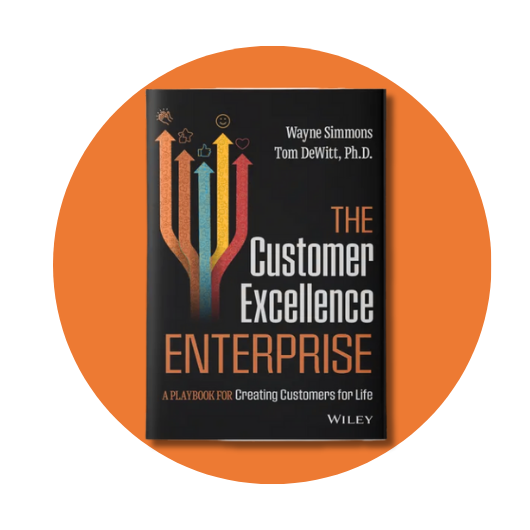
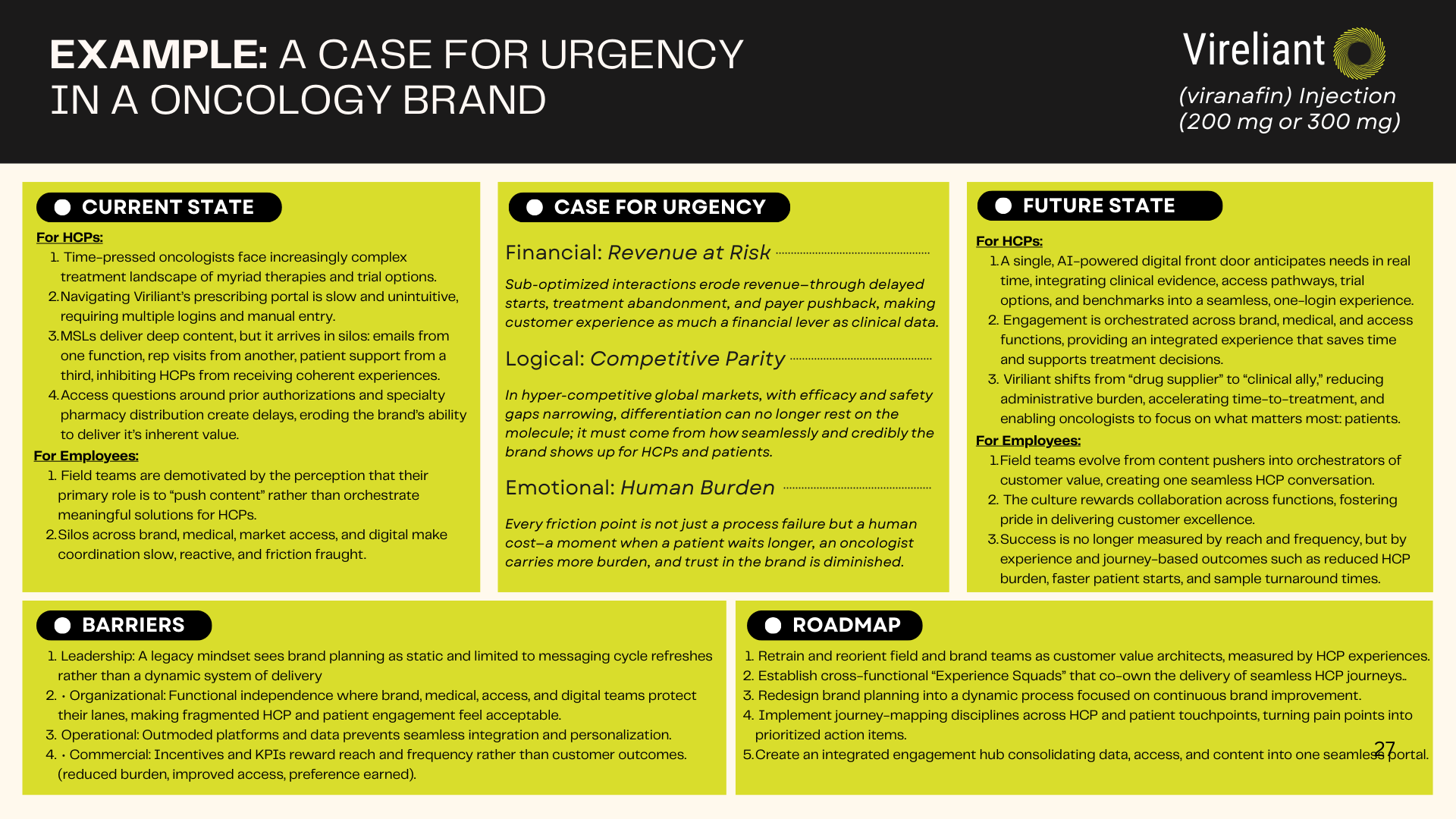
Each participant receives a copy of The Customer Excellence Enterprise and the first working version of the Case for Change Gameboard, a concrete, organization-specific catalyst for alignment and enterprise-wide activation.